- Call on : (+021) 157 489
- Open Hours : Mon-Fri 08:00 - 15:00



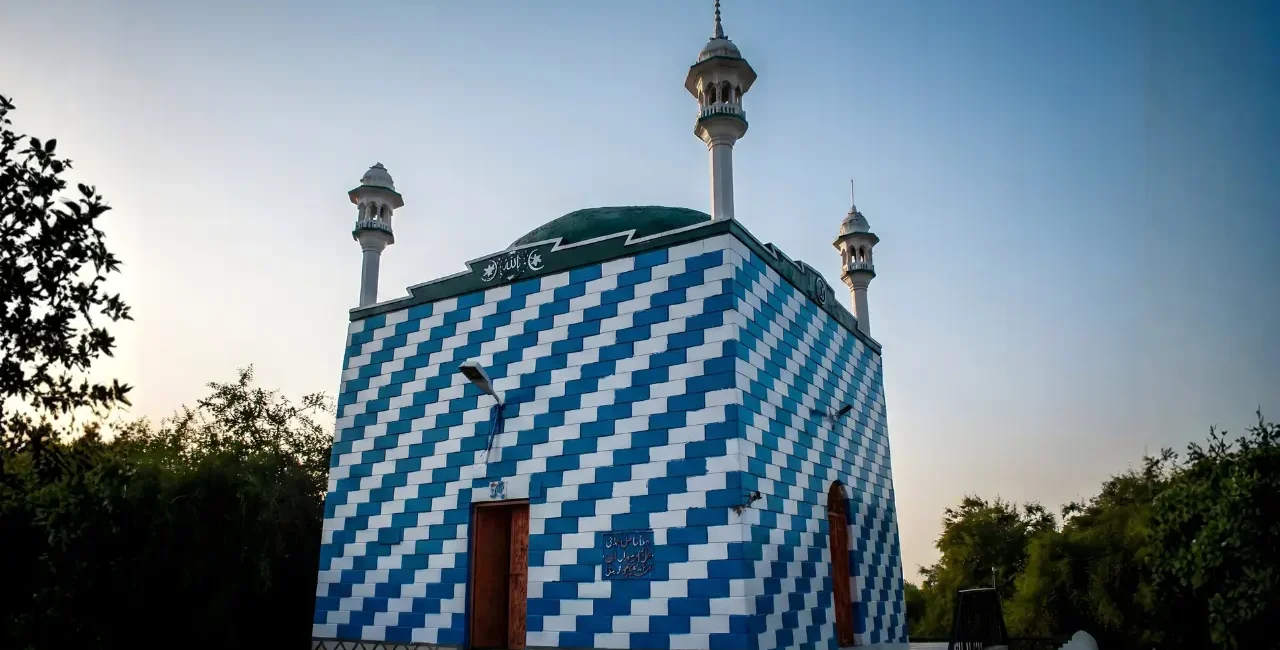
The Shrine of Eternal Love: Unveiling the Mystique of Heer Ranjha’s Tomb in Jhang
Heer Ranjha’s Tomb in Jhang
Vibe: Romantic, Spiritual, Historical
Reading Time: 9 Minutes
🕊️ Introduction: Where the Wind Whispers Love
Imagine a love so powerful it defied emperors, challenged society, and outlived death itself. Imagine a place where the very air feels heavy with the scent of roses and the ancient tunes of a wooden flute.

Welcome to Jhang, the land of the Chenab River, and the eternal resting place of Punjab’s Romeo and Juliet—Heer and Ranjha.
For travelers, historians, and romantics, the Heer Ranjha Tomb (Darbar Mai Heer) is not just a building; it is a pilgrimage to the heart of human emotion. Whether you are a local exploring your roots or a tourist seeking the soul of Pakistan, this shrine offers an experience that will leave you mesmerized.
In this exclusive feature for Discover Jhang, we invite you to step beyond the ordinary and journey into a legend that has been sung for 600 years.
📜 The Legend: A Saga Written in Tears
To understand the shrine, you must first feel the story. It is a tale immortalized by the great Sufi poet Waris Shah in 1766, a poem that is considered the “Bible of Love” in Punjab.
The Meeting of Souls Heer, the brave and beautiful daughter of the Sial chieftains of Jhang, and Dheedo Ranjha, the handsome flute-player from Takht Hazara, were destined to collide. When Ranjha arrived in Jhang, searching for meaning, he found it in Heer’s eyes.
Legend says that when Ranjha played his Wanjhli (flute) on the banks of the Chenab, the river itself would calm down to listen. Their love was pure, spiritual, and fierce.
The Tragic Betrayal But true love rarely runs smooth. Poisoned by the jealousy of her uncle Kaido and the rigid honor codes of the time, Heer was forced to marry another. Ranjha, heartbroken, renounced the world to become a Jogi (ascetic), wandering the dusty paths of Punjab with nothing but his flute and his grief.
The Final Union Though fate reunited them briefly, the world could not let them be. Heer was poisoned by her own family. Upon hearing the news, Ranjha, unable to breathe in a world without her, consumed the same poison. They died in each other’s arms, proving that while bodies can be destroyed, souls are intertwined forever.
“The grave is not the end; it is merely the door where lovers meet the Divine.”
🕌 The Architecture: A Dome Open to the Heavens
As you travel down the Jhang-Faisalabad road, the shrine rises from the landscape like a white pearl. The architecture of the tomb is a fascinating blend of Mughal influences and Sikh-era restoration, but it holds a secret mystery that baffles architects to this day.
The Mystery of the Oculus
Look up. The most striking feature of the tomb is its dome. Unlike other shrines that are sealed shut, this dome features a distinct opening (oculus) at the very top, exposing the grave directly to the sky.
The Miracle of the Rain Local folklore whispers a miraculous claim: “Rain never falls inside the grave.” Devotees believe that the heavens respect the fire of their love so deeply that even during a downpour, the water curves away, leaving the grave dry. Standing under that open patch of blue sky, looking down at the single grave that holds both lovers, you feel a strange connection between the earth and the heavens.
The Colors of Devotion
The exterior is adorned with intricate blue and white patterns—colors traditionally associated with Sufi spirituality. The four turrets stand like sentinels, guarding the peace of the lovers.
🧵 The Rituals: Threads of Hope
Walking into the courtyard, you are greeted by a sight that is both colorful and heartbreaking. An ancient tree stands guard over the tomb, its branches invisible beneath thousands of colorful threads, bangles, and ribbons.
These are Mannats (wishes).
- Red Threads: Tied by those seeking true love.
- Green Threads: Tied by the sick praying for health.
- Bangles: Tied by unmarried girls hoping for a partner as devoted as Ranjha.
It is said that if you tie a thread here with a pure heart, the spirits of Heer and Ranjha intercede for you. You will see people of all faiths—Muslims, Sikhs, Hindus, and Christians—standing side by side, united by the universal language of hope.
📍 Travel Guide: Planning Your Visit
Ready to Discover Jhang? Here is everything you need to know to make your trip smooth and memorable.
🚗 How to Reach
- Location: The shrine is located on the main Jhang-Faisalabad Road, near the Civil Lines area. It is heavily signposted.
- By Car: A comfortable drive from Faisalabad (1 hour) or Lahore (3.5 hours).
- Local Transport: Ask any rickshaw or taxi driver for “Heer Ranjha Darbar” or “Mai Heer.”
☀️ Best Time to Visit
- Golden Hour: Visit just before sunset. The fading light casts a golden glow on the white dome, and the temperature is cooler.
- The Urs (Festival): Taking place in the Islamic month of Muharram, the Urs is a vibrant explosion of culture. Expect Qawwali nights, Dhamal (Sufi dance), and a massive fair.
🎒 What to Bring
- A Scarf/Shawl: Both men and women are required to cover their heads inside the main shrine out of respect.
- Camera: The architecture is Instagram-worthy, but always ask permission before photographing people praying.
- Cash: For small donations or to buy flowers/chadar to place on the grave.
🌌 Why This Place Matters Today
In a modern world dominated by screens and disconnect, the Heer Ranjha Tomb offers something rare: Raw Emotion.
This isn’t just a tourist spot. It is a reminder that Jhang is the custodian of a cultural heritage that rivals the tales of Shakespeare. When you stand at the foot of the grave, you aren’t just looking at stone and mortar; you are witnessing the resilience of love against tyranny.
For the Content Creator & Photographer: The geometric patterns of the tiles, the weathered faces of the folk singers, and the play of light through the open dome offer endless opportunities for stunning photography.
For the Spiritual Seeker: The silence inside the chamber is profound. It is a place to meditate, to reflect, and to find peace away from the noise of the city.
✨ Final Thoughts from Discover Jhang
Jhang is a city of hidden gems, but the Tomb of Heer Ranjha is its crown jewel. It serves as the beating heart of the district’s identity.
So, pack your bags, create your playlist (we recommend the folk tracks of Tufail Niazi or Abida Parveen), and head to the Jhang-Faisalabad road. Come pay your respects to the lovers who refused to let the world define their destiny.
Have you visited the shrine? Did you feel the magic? Share your stories and photos with us using the hashtag #DiscoverJhang. Let’s show the world the beauty of our heritage!
🔍 Quick Facts for the SEO Savvy Traveler
- Attraction Name: Tomb of Heer Ranjha (Mai Heer)
- Location: Jhang, Punjab, Pakistan
- Famous For: Folklore, Sufi History, Architecture, Rain Miracle
- Entry Fee: Free
- Nearby Hub: Jhang City Center (2 km away)
Last modified: January 6, 2026