- Call on : (+021) 157 489
- Open Hours : Mon-Fri 08:00 - 15:00



Discover Jhang: The Land of Two Rivers and Eternal Love
Discover Jhang: The Land of Two Rivers and Eternal Love
Explore Jhang, Pakistan’s agricultural powerhouse where the Chenab and Jhelum meet. Discover the tomb of Heer Ranjha, ancient Sufi shrines, and the fertile beauty of Punjab in this ultimate travel guide.
Introduction: Where Waters and Souls Converge
Imagine a place where the lifeblood of Punjab—its mighty rivers—converge in a dramatic embrace. A place where the soil is so fertile it feeds a nation, and the air is so thick with history that every breeze seems to whisper verses of Sufi poetry. Welcome to Jhang, the Land of Two Rivers.
Located at the majestic confluence of the River Chenab and River Jhelum, Jhang is more than just a dot on the map of Pakistan; it is a living museum of culture, a sanctuary of spiritual resilience, and an agricultural titan. For centuries, this city has stood as a witness to the rise and fall of empires, the flow of sacred waters, and the immortalization of legendary love.
Whether you are a history buff tracing the footsteps of the Sial tribe, a spiritual seeker drawn to the shrines of great mystics, or a nature lover mesmerized by the river plains, Jhang offers a travel experience that is raw, authentic, and profoundly moving. In this comprehensive guide, we peel back the layers of this ancient city to reveal why Jhang remains the beating heart of Punjab.
1. The Geography of Abundance: The Land of Two Rivers
The Majestic Confluence
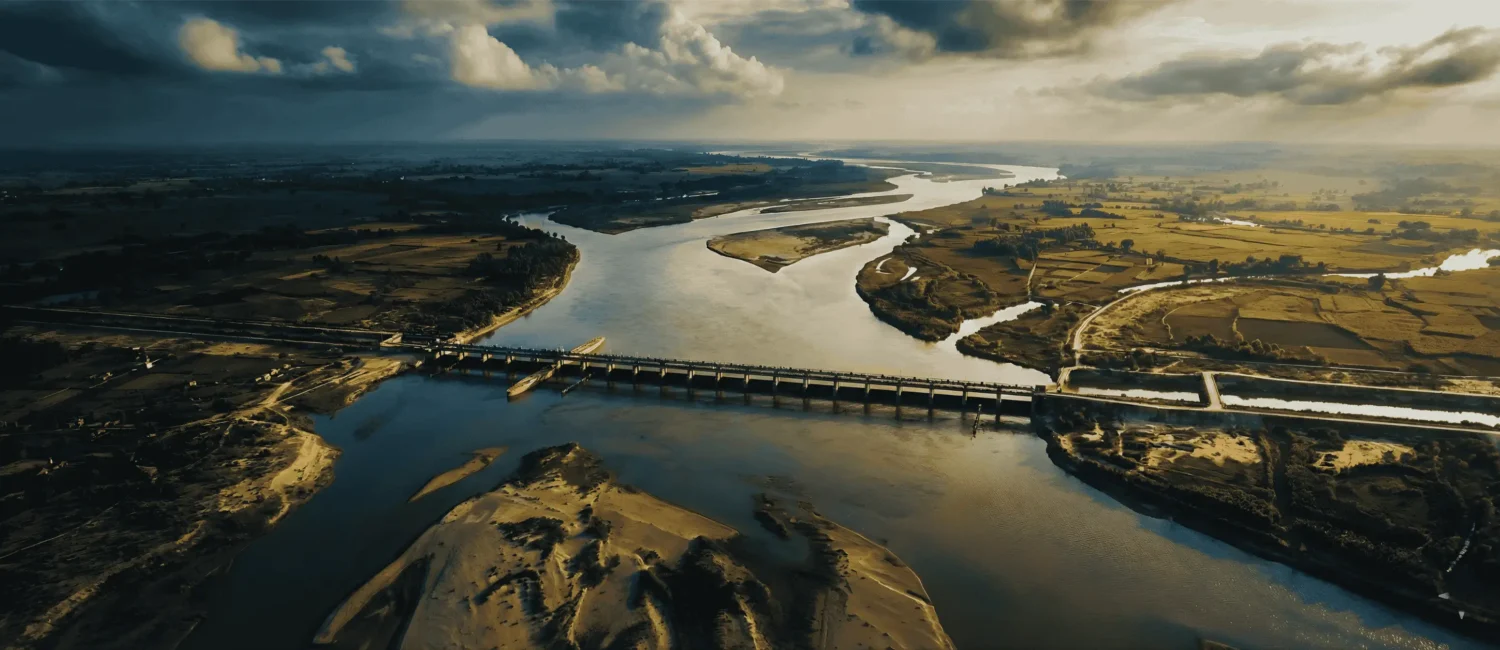
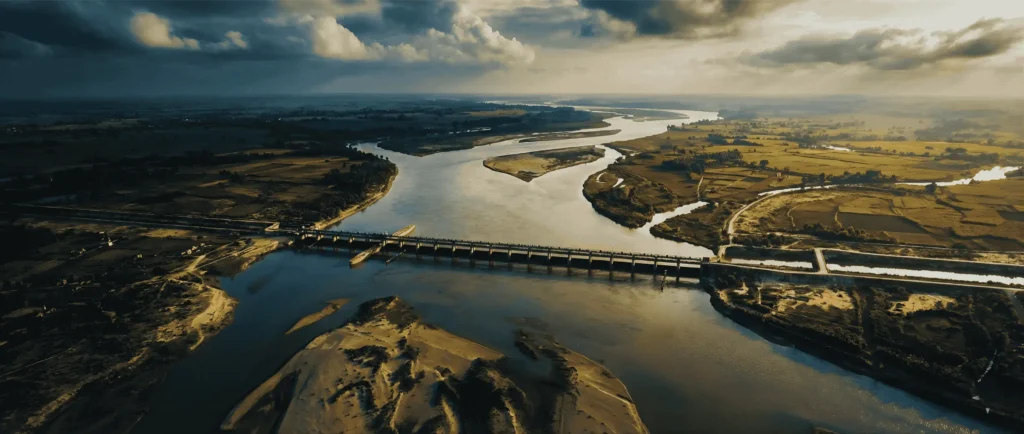
Jhang’s identity is forged by water. The city is geographically defined by the Trimmu Barrage, situated approximately 25 kilometers from the city center. This is the precise point where the turquoise waters of the Jhelum surrender into the vast, muddy expanse of the Chenab.
This confluence is not just a hydrological event; it is the life source of the region. The area between these rivers, known as the Rechna Doab (between Ravi and Chenab) and the Chaj Doab (between Chenab and Jhelum), creates a unique micro-climate and soil composition that is unparalleled in fertility.
The Agricultural Powerhouse of Punjab
The phrase “Agricultural Powerhouse” is not an exaggeration. The silt deposited by the Chenab and Jhelum over millennia has created a nutrient-rich loam that makes Jhang one of the most productive agricultural districts in Pakistan.
As you drive through the rural outskirts, you are greeted by an endless emerald ocean of crops.
- Wheat (Gandum): Jhang is a major contributor to Pakistan’s wheat production, the staple diet of the nation.
- Sugarcane: The district is dotted with sugar mills, fed by the massive sugarcane plantations that thrive in the river-fed soil.
- Citrus and Mangoes: The orchards here produce some of the sweetest kinnows (mandarins) and mangoes, exported globally.
This agrarian lifestyle defines the rhythm of life in Jhang. The seasons here are not marked by calendars but by the sowing and harvesting of crops. The “Vaisakhi” festival, marking the wheat harvest, is celebrated with a fervor that connects the modern farmer to his ancestors who tilled the same land centuries ago.
2. A Walk Through History: From Ancient Sands to the Sial Rule
The history of Jhang is as deep and meandering as the rivers that surround it. While modern Jhang is a bustling district capital, its roots go back to antiquity.
The Founding of Jhang
Authentic historical records suggest that the city of Jhang was founded in 1288 AD by Rai Sial, a Rajput chief who converted to Islam. He was advised to settle here by the revered Sufi saint Hazrat Shah Jalal Bukhari, marking the beginning of the city’s deep spiritual connection.
The Era of the Sials
For over 300 years, the Sial tribe ruled this region as an autonomous state. They were warrior-farmers who defended their fertile lands against invaders. Under rulers like Mal Khan (who took power in 1462), Jhang grew into a prosperous trade hub. The architecture of the old city—with its narrow, winding streets designed to confuse invading armies—still echoes this era of fortification and resilience.
The Sikh and British Periods
In the early 19th century, the city fell under the rule of the Sikh Empire led by Maharaja Ranjit Singh, before eventually coming under British colonial rule in the mid-1800s. The British recognized the strategic importance of Jhang’s rivers and constructed the massive irrigation canals and the original Trimmu Headworks, transforming the semi-arid landscape into the breadbasket we see today.
3. The City of Eternal Love: Heer Ranjha
No blog about Jhang is complete without paying homage to the legend that put this city on the world literary map: the tragic romance of Heer and Ranjha.
The True Story
While popularized by the poet Waris Shah in his 18th-century epic Heer, the story is based on real characters who lived in Jhang during the 15th century. Heer was a brave and beautiful woman from the Sial tribe of Jhang, and Dheedo Ranjha was a Jatt from Takht Hazara. Their love story—marked by social defiance, forced separation, and tragic death—is the “Romeo and Juliet” of the East, but with a deeper spiritual subtext.
The Tomb of Heer Ranjha
Today, the Tomb of Heer Ranjha stands near the Faisalabad Road in Jhang. It is a site of immense cultural and emotional significance.
- Architecture: The shrine features a distinctive open dome. Legend says the dome remains open to the sky because the fire of their love was so intense it could not be contained, though architects attribute it to structural choices of the time.
- The Experience: Visitors from all over the world come here not just to see a grave, but to feel the aura of a love that defied societal norms. It is common to see devotees singing verses of Waris Shah’s poetry in the courtyard, their voices heavy with emotion.
Authenticity Note: The tomb plaque dates their death to 1471 AD, anchoring the folklore in historical reality.
4. The Spiritual Heart: Sufi Shrines and Saints
Jhang is often called the land of “Peers and Faqirs” (Saints and Ascetics). The convergence of rivers seems to have attracted those seeking a convergence with the Divine. The soil of Jhang is the resting place of some of the subcontinent’s most revered Sufi mystics.
Hazrat Sultan Bahu (R.A)
Located in the Garh Maharaja area of Jhang district, the shrine of Sultan Bahu is a beacon of light for millions. A scholar, poet, and saint of the Sarwari Qadiri order, Sultan Bahu is famous for his Punjabi poetry which ends every line with the hook “Hoo” (a reference to the Divine essence).
- The Shrine: The current shrine is a magnificent structure where devotees gather, especially during the annual Urs (death anniversary) in the Islamic month of Jumada al-Thani. The atmosphere is electric with the chanting of “Hoo,” creating a trance-like state of devotion.
Hazrat Shah Jewana (R.A)
Another towering figure is Hazrat Shah Jewana, whose shrine lies about 30km from Jhang city. He famously traced his lineage to the Prophet Muhammad (PBUH) and was known for his miraculous spiritual powers (Karamat). The annual Urs here is a massive cultural festival, featuring tent pegging (Neza Bazi), traditional wrestling (Kabaddi), and equestrian displays, blending spirituality with the martial traditions of the Punjab.
Authentic Cultural Insight
Visiting these shrines is not just a religious act; it is a cultural immersion. You will see the Dhamal (devotional dance), smell the fragrance of rose petals and incense, and witness the Langar (community kitchen) where thousands are fed for free, symbolizing equality and charity.
5. Modern Jhang: Resilience and Culture
While deeply rooted in the past, Jhang is a city of modern resilience. The people of Jhang are known for their hospitality, simplicity, and hard work.
Traditional Handicrafts
Jhang has a rich tradition of craftsmanship that is often overlooked.
- Jhangvi Furniture: The city is known for its durable and intricately carved wooden furniture, often using Shisham wood which grows abundantly along the riverbanks.
- Embroidery and Textiles: Rural women in Jhang create exquisite hand-embroidery, particularly Rilli (patchwork) and Phulkari styles, which are vibrant representations of the local color palette.
- Pottery: The clay from the riverbeds is perfect for pottery. You can still find artisans spinning wheels to create “Matti kay Bartan” (clay utensils) that are used to keep water cool in the blistering summer heat.
The Jhangvi Dialect
The language spoken here, Jhangvi, is a distinct dialect of Punjabi. It is known for its sweetness and unique vocabulary. It is the language of the epic Heer and is considered by linguists to be one of the purest and oldest forms of the Punjabi language, preserving words that have vanished from the dialects of Lahore or Amritsar.
6. Top Tourist Attractions in Jhang
If you are planning a visit, here are the must-see locations to include in your itinerary:
1. Trimmu Barrage
Ideally visited at sunset, the barrage offers panoramic views of the river confluence. It is a popular spot for boating and fishing. The engineering marvel of the barrage itself, controlling the flow of two massive rivers, is a sight to behold.
2. Shorkot Ruins
Located within the Jhang district, the ancient mound of Shorkot is believed to be the site of a city captured by Alexander the Great. Excavations have revealed coins and artifacts dating back to the Greek and Mauryan periods, making it a goldmine for archaeologists.
3. Rivaz Bridge
An architectural relic from the British Raj, this iron bridge over the Chenab is a favorite spot for photographers. Its vintage steel structure against the backdrop of the river offers a glimpse into the colonial engineering past.
4. Old Jhang City (Maghiana)
Wander through the bustling bazaars of Jhang Maghiana. Here you will find the “Saraf Sarafa” (Gold Market) and traditional cloth markets. It is the best place to buy authentic Jhangvi handicrafts and soak in the chaotic energy of a traditional Pakistani marketplace.
7. A Taste of Jhang: Culinary Delights
The food in Jhang is a reflection of its agricultural roots—fresh, wholesome, and rich.
- Fresh River Fish: Being a river city, fried fish (Rahuh and Mahseer) from the Chenab is a local delicacy. The fish is often marinated in a spicy, gram-flour batter and deep-fried to golden perfection.
- Dera Cuisine: The “Deras” (farmhouses) of Jhang are famous for their hospitality. If you are lucky enough to be invited, you will taste Saag (mustard greens) cooked in pure butter, served with Makai ki Roti (cornbread) and a tall glass of Lassi.
- Sohan Halwa: While Multan is famous for this sweet, Jhang produces its own variety of Sohan Halwa which is darker, richer, and loaded with walnuts and almonds, often made with fresh river buffalo milk.
8. Practical Travel Guide
Best Time to Visit
The climate of Jhang is extreme. Summers (May to August) are scorching hot, with temperatures often crossing 45°C (113°F).
- The Golden Window: The best time to visit is from October to March. The winter months are pleasant, with cool breezes from the rivers and sunny days perfect for exploring.
How to Get There
- By Road: Jhang is well connected by a network of highways. It is approximately a 2.5-hour drive from Faisalabad and a 4-hour drive from Lahore.
- By Bus: Luxury bus services like Daewoo and Bilal Travels run frequent routes to Jhang from all major cities in Punjab.
Accommodation
While Jhang does not have 5-star luxury hotels, it offers comfortable guesthouses and mid-range hotels that provide clean amenities and genuine hospitality. The Circuit House and various private hotels in the city center are good options for travelers.
Conclusion: Why Jhang Matters
Jhang is more than just a district; it is a testament to the endurance of the human spirit. It is a place where the soil feeds the body, and the shrines feed the soul. It is where the waters of the Chenab and Jhelum meet, much like the blend of history and modernity that defines the city today.
In an era of rapid urbanization, Jhang has managed to hold onto its essence. It remains the Land of Two Rivers, the custodian of Heer’s love, and the Agricultural Powerhouse of Punjab.
A visit to Jhang is a journey back to the roots—roots of culture, roots of spirituality, and the very roots of the crops that sustain us. It is a reminder that some places, no matter how much time passes, remain timeless.
Last modified: January 4, 2026