- Call on : (+021) 157 489
- Open Hours : Mon-Fri 08:00 - 15:00



Discover Jhang: Unveiling the Soul of the Land of Heer, Heritage, and Horizon
Discover Jhang: Unveiling the Soul of the Land of Heer, Heritage, and Horizon
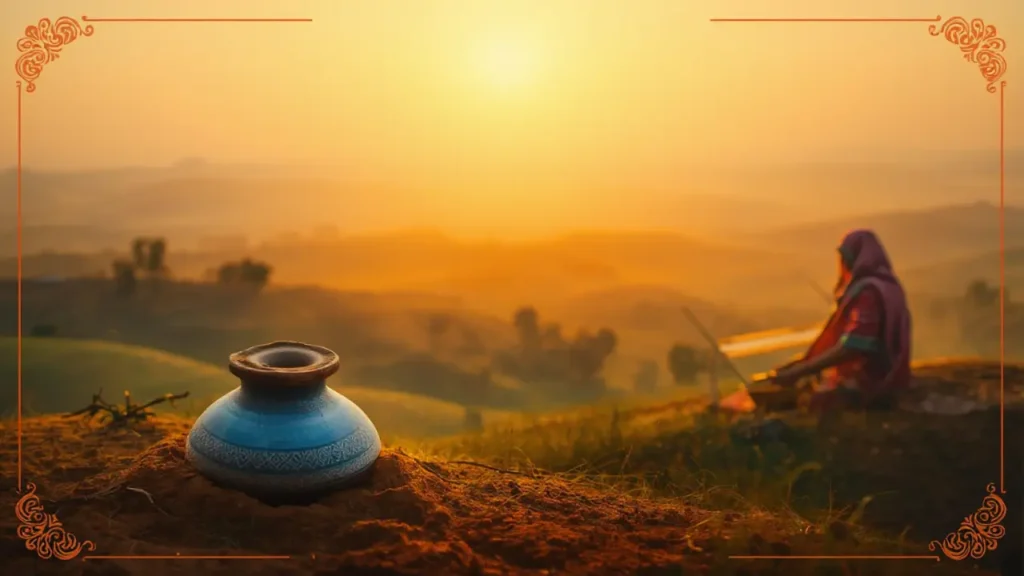
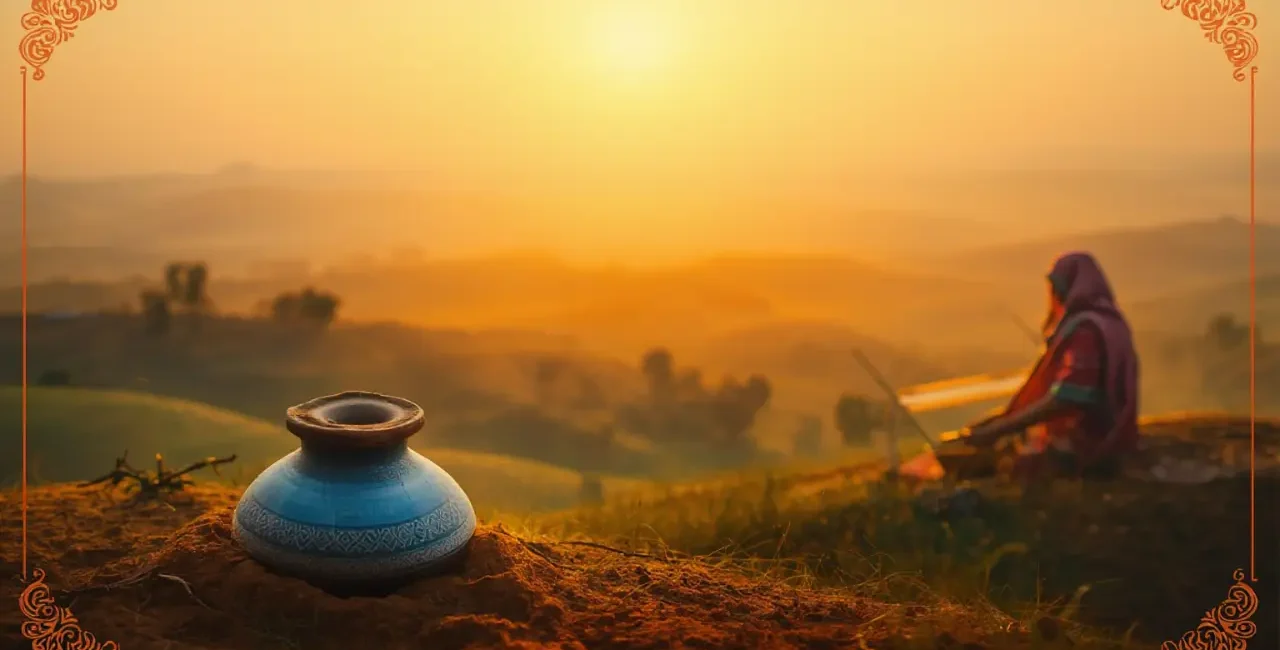
Welcome to Jhang, a city where the sands of time whisper ancient legends and the rivers sing songs of eternal love. Located in the heart of Punjab, Pakistan, Jhang is not just a district; it is a living museum of history, a sanctuary of Sufi spirituality, and a rising beacon of community growth.
At Discover Jhang, our mission is to digitize this rich legacy. Whether you are a student of history, a lover of culture, or a proud citizen looking to contribute to our city’s future, you have found your digital home. Join us as we explore the majestic tapestry of Jhang—from the courts of the Sial chieftains to the modern classrooms shaping our future.
The Historical Tapestry: Tracing the Roots of Jhang
To understand Jhang is to understand the history of Punjab itself. The story of our city is not merely a chronicle of dates; it is a saga of resilience and survival.
The Era of the Sials
The history of Jhang is inextricably linked to the Sial tribe. Historical records indicate that Jhang was founded in 1288 AD by Rai Sial, a Rajput chief who converted to Islam. He chose this strategic location on the suggestion of the revered saint Hazrat Shah Jalal Bukhari. For centuries, the Sials ruled this territory with autonomy, navigating the turbulent waters of regional politics between the Delhi Sultanate and local chieftains.
Under rulers like Mal Khan (1462 AD), Jhang grew from a settlement into a fortified city. The Sial dynasty provided stability that allowed trade and agriculture to flourish in the “Bar” region (the area between rivers). This period cemented the city’s identity as a center of power in central Punjab.
The Mughal, Sikh, and British Influence
As the Mughal Empire expanded, Jhang became a vital administrative hub. The city prospered under Mughal patronage, serving as a transit point for trade routes connecting Multan to the north. However, the decline of the Mughals saw the rise of the Sikh Empire. In the early 19th century, after fierce battles, Ranjit Singh annexed Jhang, ending the long rule of the Sial chieftains.
The British era brought a new kind of transformation. Recognizing the agricultural potential of the region, the British administration invested heavily in canal colonies. They constructed the Jhang-Maghiana municipality, effectively merging the two towns. This dual-city structure remains a unique feature today, with Maghiana sitting on the highlands and Jhang occupying the lowlands near the river.
The Cultural Heartbeat: Love, Language, and Mysticism
If Lahore is the heart of Punjab, Jhang is its soul. Our culture is defined by a unique blend of romance, Sufi mysticism, and linguistic richness that distinguishes it from the rest of the province.
The Land of Heer Ranjha
Jhang is globally synonymous with the legend of Heer Ranjha. It was here, in the Jhang of the Sials, that Heer, the daughter of Chuchak Sial, fell in love with Dheedo Ranjha. Their story, immortalized by the great poet Waris Shah in his epic Heer, is considered the Shakespearean tragedy of the East.
Today, the Tomb of Heer Ranjha in Jhang is more than a monument; it is a place of pilgrimage for those who believe in the purity of love. The architecture of the tomb, with its open dome (which legend says refuses to close), attracts thousands of visitors annually. It stands as a defiant symbol of love against societal rigidity, grounding Jhang’s identity in romance and passion.
The Sufi Legacy: Sultan Bahu
Jhang is also the spiritual resting place of Sultan Bahu, one of the most influential Sufi mystics of the Qadiri order. His shrine in Garh Maharaja is a beacon of spiritual enlightenment. Sultan Bahu is famous for his Punjabi poetry, specifically his Si-harfi, where every stanza ends with the ecstatic cry of “Hoo”.
His teachings emphasize inner purity and a direct connection with the Divine, transcending sectarian divides. The annual Urs (death anniversary) of Sultan Bahu draws devotees from across the world, filling the air of Jhang with the rhythmic chants of mystics and the vibrant colors of rural fairs.
The Jhangochi Dialect
Language is the vessel of culture, and Jhang boasts one of the oldest and most distinct dialects of Punjabi: Jhangochi (also known as Jhangvi or Rachnavi). Unlike the Majhi dialect spoken in Lahore, Jhangochi is known for its pure, heavy, and ancient vocabulary. It is the language of the “Bar” (wildlands)—direct, unpretentious, and deeply melodic.
Linguists consider Jhangochi to be the “original” Punjabi, preserving words and grammatical structures that have been lost elsewhere. At Discover Jhang, we are dedicated to documenting and preserving this linguistic heritage for the next generation.
Geography and Economy: The Gift of the Two Rivers
Jhang’s geography is its destiny. The district is located at the confluence of two mighty rivers: the Chenab and the Jhelum. This union occurs at the Trimmu Barrage, a critical piece of irrigation infrastructure located about 25 kilometers from the city.
The Agricultural Backbone
The fertile alluvial soil deposited by these rivers makes Jhang an agricultural powerhouse.
- Wheat & Rice: We are a major contributor to Pakistan’s national grain production.
- Sugarcane: The region is dotted with sugar mills, driving the local industrial economy.
- Citrus & Orchards: The nearby lands produce some of the finest kinnow (mandarin hybrid) in the world.

Trimmu Barrage: A Lifeline
Built during the British era and recently rehabilitated, Trimmu Barrage controls the flow of water for millions of acres of farmland across Punjab. Beyond its economic utility, it is a popular recreational spot. Families flock to the riverbanks to enjoy fresh fish and the serene sunset views over the Chenab, making it a key potential site for eco-tourism.
Community Growth: Building a Modern Jhang
While we cherish our past, Discover Jhang is firmly focused on the future. The narrative of Jhang is shifting from a purely agricultural town to a developing urban center facing modern challenges and opportunities.
Education and Empowerment
The growth of a community relies on its mind. Institutions like Chenab College Jhang have set a benchmark for quality education in the region, producing bureaucrats, doctors, and engineers who serve the nation. However, “community growth” means expanding this access. Our platform advocates for:
- Digital Literacy: Bringing coding and digital skills to the youth of Jhang.
- Women’s Education: highlighting schools and colleges dedicated to female empowerment in the district.
The Role of “Discover Jhang”
This website is not just a brochure; it is a tool for community growth.
- Connecting Citizens: We provide a space for local businesses to list their services, from traditional Khussa makers to modern tech startups.
- Highlighting Issues: By documenting our city’s needs—be it better roads, sanitation, or healthcare facilities—we can mobilize community action and administrative attention.
- Preserving Identity: In an era of globalization, our “Digital Archive” ensures that the stories of our elders and the recipes of our grandmothers are not lost.
Economic Diversification
The future of Jhang lies in diversifying beyond farming. We are seeing a rise in small-scale industries, textile units, and a vibrant retail sector in Shaheed Road and Ayub Chowk. By promoting “Made in Jhang” products—such as our world-famous hand-knitted carpets and traditional furniture—we can open global markets for local artisans.
Why Jhang Matters
Jhang is a microcosm of Pakistan. It is where the feudal past meets the aspirational future. It is where the call of the Sufi meets the noise of the marketplace.
To the outside world, we say: Come to Jhang. Visit the shrine of Heer to understand love. Walk through the old bazaars of Maghiana to understand commerce. Sit by the banks of the Chenab to understand peace.
To the people of Jhang, we say: This is your platform. Discover Jhang is yours to build, to write, and to grow. Let us work together to make our district a model of culture and progress in Punjab.
Explore. Connect. Grow. Welcome to Discover Jhang.
Last modified: January 4, 2026
Hi, this is a comment.
To get started with moderating, editing, and deleting comments, please visit the Comments screen in the dashboard.
Commenter avatars come from Gravatar.