- Call on : (+021) 157 489
- Open Hours : Mon-Fri 08:00 - 15:00



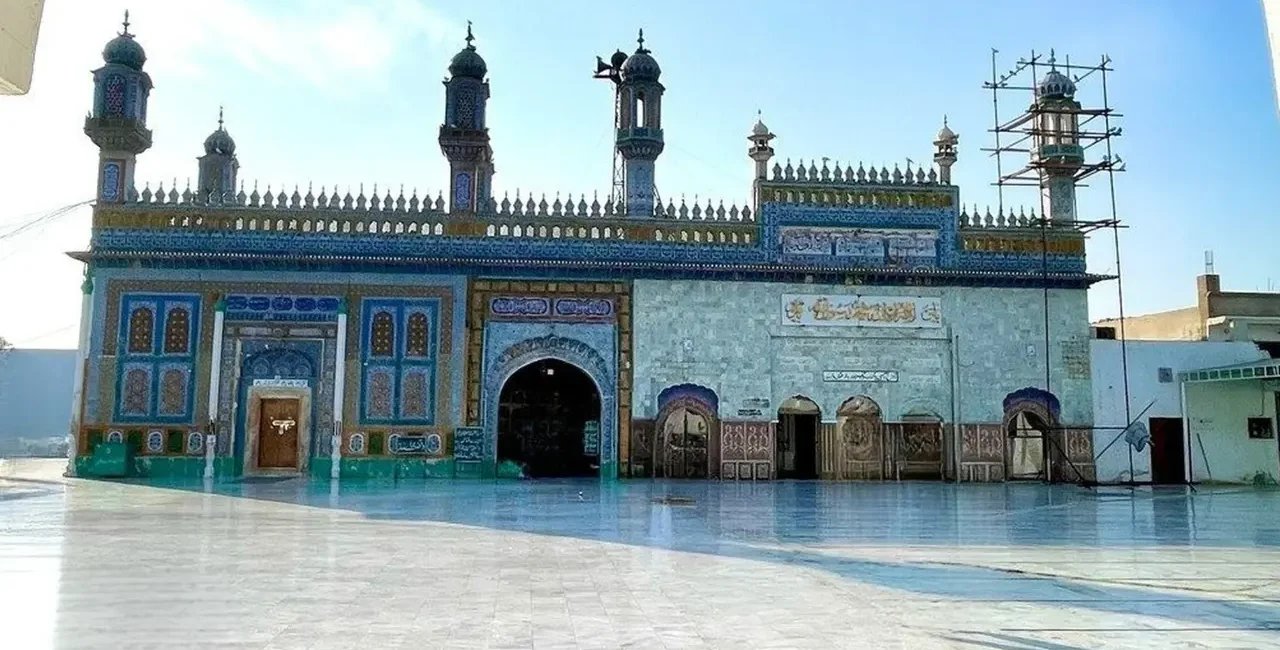
The Ultimate Guide to the Shrine of Sultan Bahu: A Spiritual Journey in Jhang
Shrine of Sultan Bahu
Location: Garh Maharaja, District Jhang
Located in the heart of Punjab, specifically in the Garh Maharaja area of District Jhang, lies one of the most revered spiritual centers in Pakistan: the Shrine of Hazrat Sultan Bahu (R.A). For centuries, this sacred site has served as a beacon of light for seekers of truth, lovers of Sufi poetry, and travelers looking to understand the mystical soul of the Punjab.
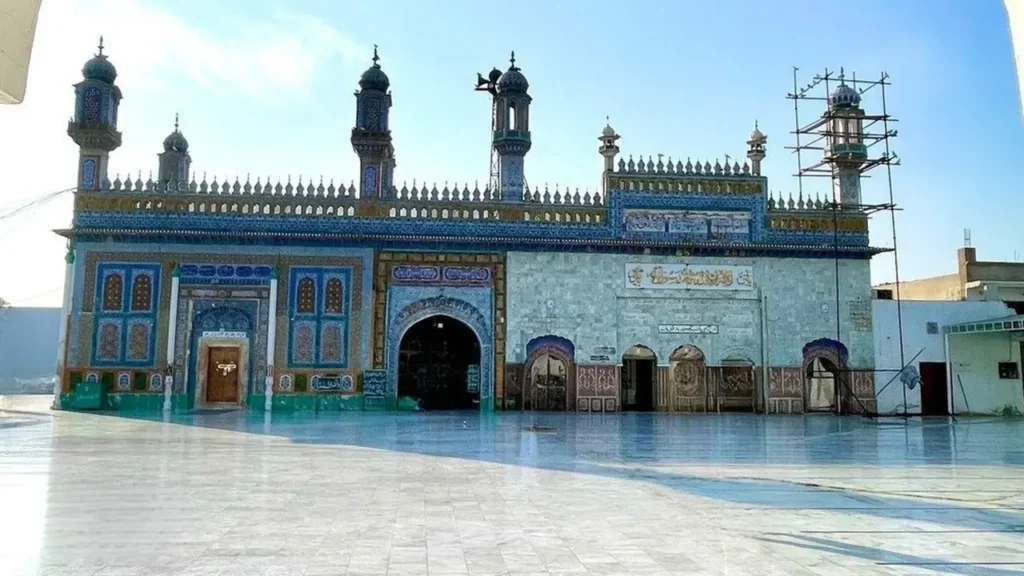
If you are planning a visit to Jhang or are simply curious about the rich cultural tapestry of this region, a trip to the Darbar of Sultan Bahu is essential. This guide covers everything you need to know—from the history and architecture to travel tips and the spiritual significance of the “Hoo.”
Who Was Hazrat Sultan Bahu?
Before diving into the travel details, it is vital to understand the personality behind the shrine. Hazrat Sultan Bahu (1630–1691) was a scholar, a prolific writer, and a Sufi mystic of the Sarwari Qadiri order. He is famously known as Sultan-ul-Arifeen (The Sultan of Gnostics).
He is perhaps best loved for his Punjabi poetry, specifically his Kalam, where every couplet ends with the mesmerizing sound of “Hoo” (Hu)—a reference to the essence of God. His poetry transcends borders and languages, speaking directly to the human heart about the pursuit of divine love and the cleansing of the inner self.
“Alif Allah chambe di booti, Murshid man vich laee Hoo…” (My Master has planted the fragrant seed of Love of Allah in my heart, Hoo…)
The History of the Shrine: A Miracle of Relocation
The history of the shrine itself is as mystical as the saint buried within it. The current shrine in Garh Maharaja is actually the third resting place of Hazrat Sultan Bahu.
- First Burial: He was originally buried near the Chenab River in a fort made of bricks.
- Second Burial: Years later, due to the changing course of the River Chenab (a common phenomenon in Jhang’s geography), the river waters threatened the grave. It is recorded that his body was exhumed and found completely intact, then moved to a new location.
- Final Resting Place: Once again, the river encroached upon the site. Under spiritual guidance, the remains were moved to the current location in Garh Maharaja, safe from the river’s flow.
This history adds a layer of awe for visitors, knowing they are standing at a site chosen and protected through centuries of geological changes.
Architecture and Atmosphere
When you arrive at the Darbar Sultan Bahu, you are greeted by an atmosphere of profound peace. Unlike some shrines that are located in varied congested urban centers, this shrine has a sprawling complex that feels open and airy.
The Visuals
- The Dome: The shrine features classic Islamic architecture with intricate tile work and a prominent dome that glimmers under the Jhang sun.
- The Courtyard: A vast marble courtyard surrounds the main tomb. During the day, the white marble reflects the heat, but in the evenings, it becomes a cool, serene place where devotees sit and recite the Quran or Abyat-e-Bahu.
- The Doors: The entrance to the inner sanctum is often adorned with silver and floral motifs, symbolizing the reverence of the devotees.
The Vibe
The air is often filled with the sound of Naats (praises of the Prophet) and the rhythmic chanting of “Hoo.” You will see people from all walks of life—farmers from rural Punjab, city dwellers from Lahore and Karachi, and international tourists—all united by respect for the Saint.
The Annual Urs: A Cultural Spectacle
If you want to see the shrine in its full glory, you must visit during the Annual Urs.
- When: The Urs is held annually during the Islamic month of Muharram (usually the first Thursday of the month).
- What Happens: The area transforms into a massive tent city. Thousands of devotees camp out in the surrounding fields.
- Highlights:
- Dhammal: While the Qadiri order is generally sober, the sheer energy of the crowd often leads to ecstatic expressions of devotion.
- Folk Culture: You will see traditional horse dancing, tent pegging (Neza Bazi), and local stalls selling Jhang’s handicrafts.
- Langar (Free Food): Massive cauldrons of food are cooked and distributed to everyone, regardless of status.
Pro Tip: If you dislike large crowds, avoid the Urs dates. If you want to experience the intensity of Punjabi Sufi culture, the Urs is the best time to go.
How to Reach the Shrine of Sultan Bahu
For travelers exploring via Discover Jhang, getting to the shrine is a straightforward adventure.
From Jhang City
- Distance: Approximately 65 to 70 kilometers from Jhang city center.
- Route: Take the Jhang-Bhakkar Road (also known as the Jhang-Multan road depending on your exit). You will cross the magnificent Trimmu Barrage, where the Chenab and Jhelum rivers meet.
- Transport:
- By Car: The drive takes about 1 hour and 15 minutes. The roads are generally paved but can be busy with agricultural traffic.
- Public Transport: Vans and buses leave frequently from the Jhang General Bus Stand (Adda) heading towards Garh Maharaja. Ask for the stop at “Sultan Bahu.”
From Other Cities
- From Lahore: Take the M-3 Motorway to Rajana/Toba Tek Singh, then head to Shorkot and onto Garh Maharaja. Alternatively, take the route via Faisalabad and Jhang.
- From Islamabad: Take the M-2 to the M-4 (Faisalabad), exit at Jhang, and follow the route mentioned above.
Visitor Guide: Tips for a “Helpful” Experience
To ensure your trip is smooth and respectful, keep these tips in mind.
1. Dress Code
This is a religious site.
- Men: Shalwar Kameez is preferred. Trousers and shirts are acceptable, but shorts are not allowed.
- Women: Modest clothing is required. A headscarf (dupatta) is mandatory to enter the inner shrine area.
2. Best Time to Visit
- Months: October to March are the best months as the weather in Jhang is pleasant. Summers (May-August) can be extremely hot, with temperatures exceeding 40°C.
- Time of Day: Early morning (Fajr) or late afternoon (Asr/Maghrib) offers the most beautiful light for photography and the most comfortable temperatures.
3. Facilities
- Parking: There are designated parking areas near the shrine complex.
- Shoe Keeping: There are designated counters to leave your shoes before entering the marble courtyard.
- Accommodation: There are guest houses (Musafir Khanas) managed by the shrine administration for devotees. However, for a comfortable stay, many tourists prefer to stay in hotels in Jhang City or Shorkot and make a day trip to the shrine.
4. Safety and Etiquette
- Photography: Photography is generally allowed in the outer courtyards but may be restricted inside the inner burial chamber. Always ask for permission before taking photos of people.
- Respect: Avoid loud laughter or conversations inside the main tomb. It is a place of silent meditation for many.
Why Visit? The Spiritual Takeaway
In a world driven by materialism and digital noise, a visit to the Shrine of Sultan Bahu offers a rare moment of introspection. Whether you are religious or not, the message of Sultan Bahu is universal: Humanity, Love, and Inner Purity.
Standing at the shrine, surrounded by the fields of Garh Maharaja, you connect with a history that spans over 300 years. You realize that Jhang is not just a district of rivers and agriculture; it is a land of spiritual giants.
Discover Jhang Recommends:
Combine your trip to the shrine with a visit to the Trimmu Barrage. The view of the confluence of the Chenab and Jhelum rivers at sunset is breathtaking and is directly on the way back to Jhang city.
Conclusion
The Shrine of Sultan Bahu is the jewel of Jhang’s heritage. It stands as a testament to the region’s deep-rooted spirituality and cultural richness. For the readers of Discover Jhang, this isn’t just a sightseeing spot; it is an experience that resonates with the soul.
Have you visited the shrine? Share your experience in the comments below!
FAQ for Travelers
Q: Is the shrine open 24/7? A: Yes, the shrine complex is generally open 24 hours, but the inner sanctum may close for cleaning late at night.
Q: Is it safe for families? A: Absolutely. It is a family-friendly environment, and thousands of families visit weekly.
Q: Can I buy Sultan Bahu’s books there? A: Yes, there are many bookstalls outside the shrine selling his books, including Abyat-e-Bahu and Risala Roohi, often with translations in Urdu and English.
Stay tuned to Discover Jhang for more guides on the hidden gems, history, and culture of our beloved city.
Last modified: January 6, 2026